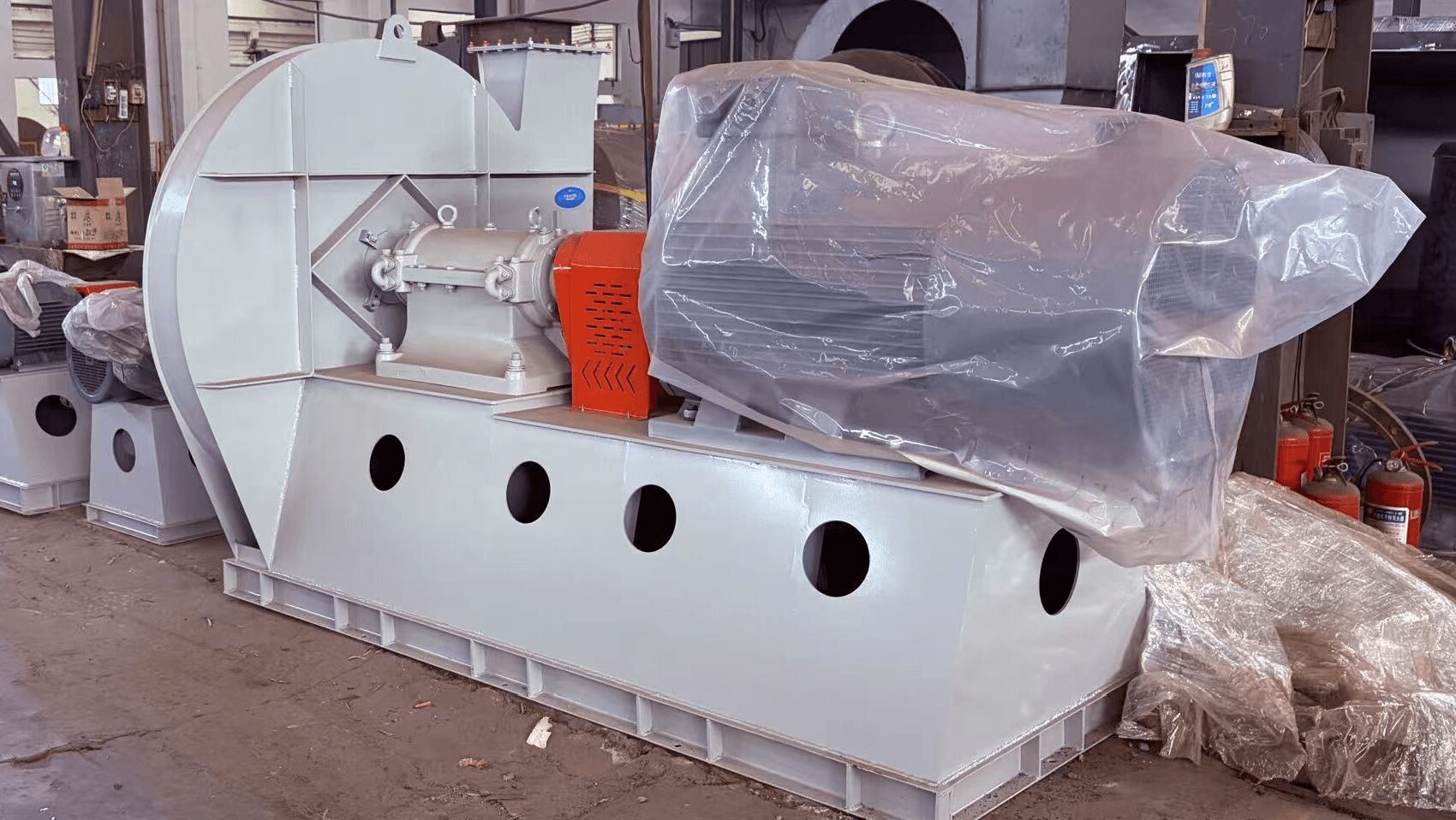
Enhancing Manufacturing Precision to Minimize Energy Consumption
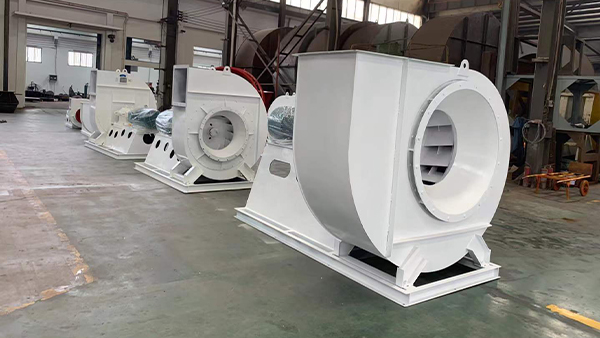
- The aerodynamic efficiency of an impeller relies heavily on its material and machining quality. While smaller blowers often use cast steel or ductile iron, Yutong utilizes HT200 cast iron for heavy-duty applications. Furthermore, we employ CNC machining with minimal feed rates to achieve a low surface roughness of Ra3.2. [Yutong Engineering Standard]: Typically, industry guidelines suggest a dynamic balancing grade of G6.3 or G5.6. However, Yutong EP Blower sets a much higher benchmark. We subject every impeller to rigorous dynamic balance correction to achieve an elite grade of ≤ G3.0. This ultra-precision completely eliminates micro-vibrations, prevents mechanical fatigue, and significantly extends the equipment’s lifecycle.
- Bearing Precision & Reliability: In any blower system, the bearing housing remains the most vulnerable component. Often, failures start with abnormal squeaking noises. If manufacturers ignore bearing quality to save upfront costs, the system inevitably suffers from intense mechanical friction, severe noise, and massive energy waste. To combat this, Yutong exclusively equips our industrial centrifugal fans with premium global bearing brands (such as SKF, FAG, and ZWZ). We mount them in specialized water-cooled or oil-bath housings, guaranteeing frictionless, energy-saving transmission.
- Synchronous Gear Precision: For specific blower types (such as rotary blowers), synchronous gears require exceptional precision and wear resistance. We forge these gears from 45# steel with high-frequency surface quenching (HRC 40~50) and follow this with precision grinding to reach an accuracy of Level 7 or above. Finally, proper assembly ensures optimal backlash and contact patterns.
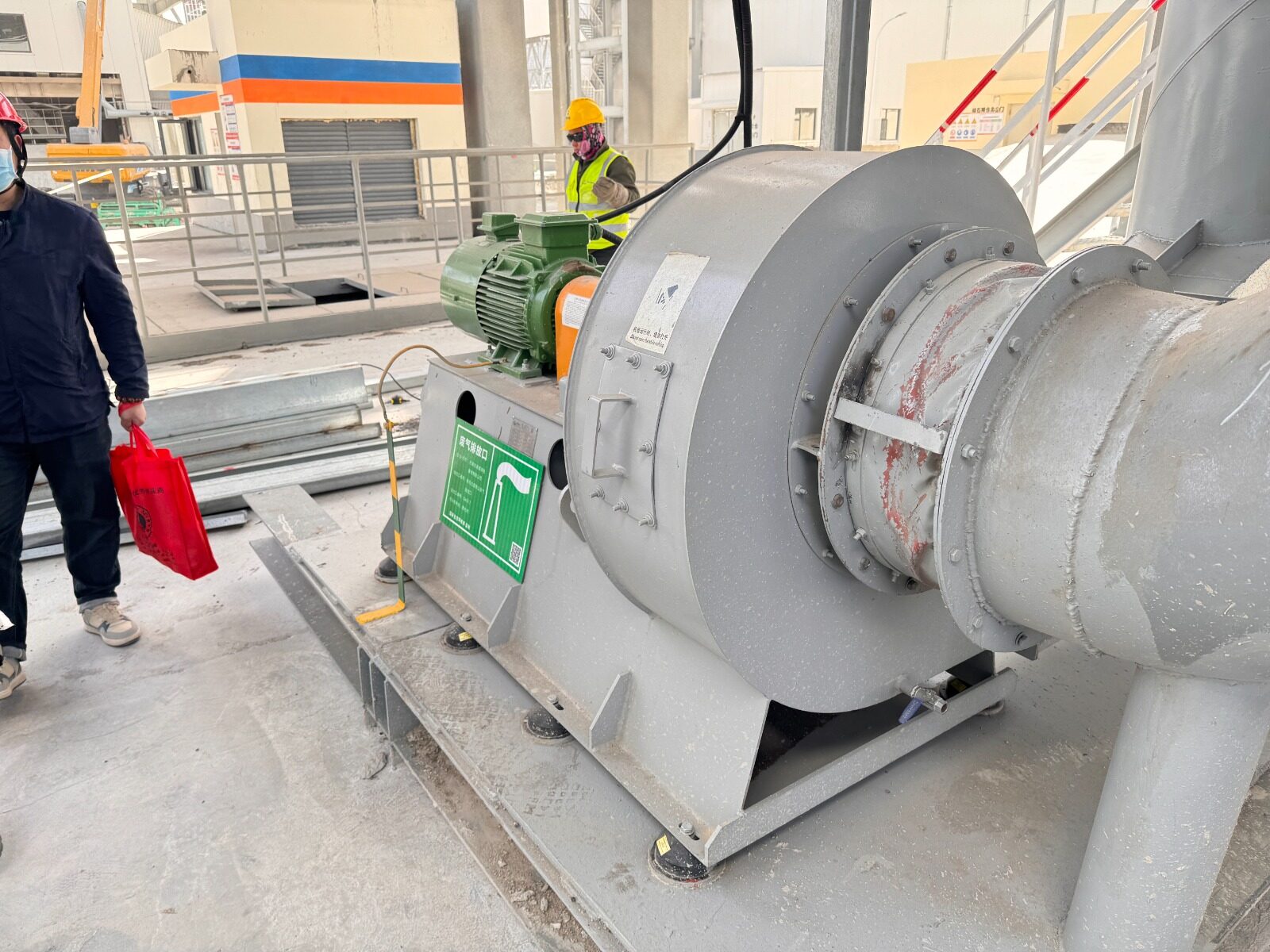
- Aerodynamic Duct Design: Smooth airflow passages dramatically minimize energy loss. We improve inner duct walls and decrease acute angles in the ductwork. Additionally, using a smooth transition from square to round ducts reduces sudden airflow disruptions. We recommend maintaining a straight run from fittings for 5 to 10 times the duct diameter to stabilize airflow.
Advanced Noise Control Techniques
- Mechanical Changes to Reduce Noise The starting point for reducing noise levels is ensuring the mechanical components are working properly. The following items should be maintained at optimum performance: correct clearances between the impeller and the casing, proper lubrication of the bearing surfaces and correct belt tension. From an aerodynamic standpoint, the installation of the blades must create a constant, smooth curve. For axial fans, an effective method of controlling the noise associated with blade-pass and acoustic frequency resonance is to use staggered or unequal pitch blade design.
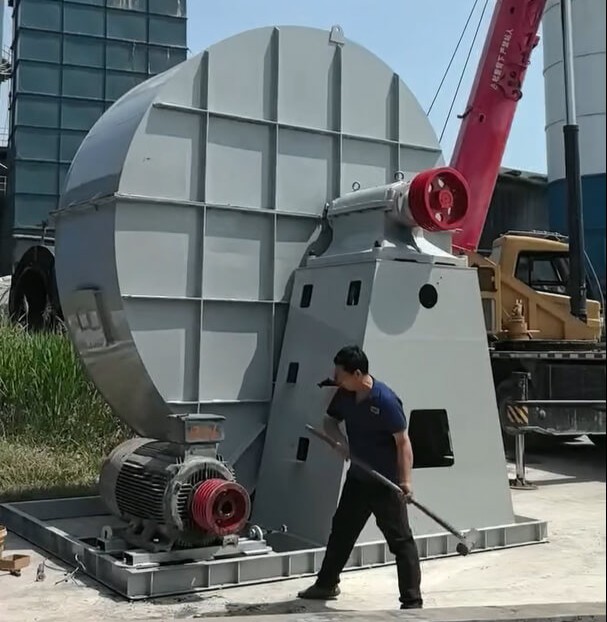
- Noise Absorption and Insulation Strategically installed sound-absorbing materials on the inlet or outlet wall surfaces will help to reduce the higher frequency noises created by a fan. In a high-noise application, the most effective method for reducing sound is to provide physical separation from the equipment. [Yutong Resolution]: Many times, engineers at Yutong have designed customized acoustic enclosures (sound attenuating canopies) for our heavy-duty blowers to provide effective isolation of mechanical noise from the surrounding environment and to comply with stringent noise requirements at the customer’s facility.
- Industrial Silencers Acoustic vanes and honeycomb silencer designs are effective methods of reducing mechanical noise at the exit of the fan. Furthermore, integrating acoustic turning vanes (splitters) into diffusion bends minimizes dynamic pressure loss while dampening sound. However, engineers must calculate the quantity of these vanes—excessive baffles that can restrict the flow area and choke the blower’s overall performance.
Conclusion
As the heart of industrial systems, heavy-duty blowers require continuous technological evolution. By integrating precision manufacturing, energy-saving aerodynamics, and strict noise control protocols, manufacturers can ensure sustainable and highly secure plant operations.
Yutong EP Blower remains committed to these principles, continuously delivering custom-engineered, low-noise, and high-efficiency aerodynamic solutions for heavy industries worldwide.